
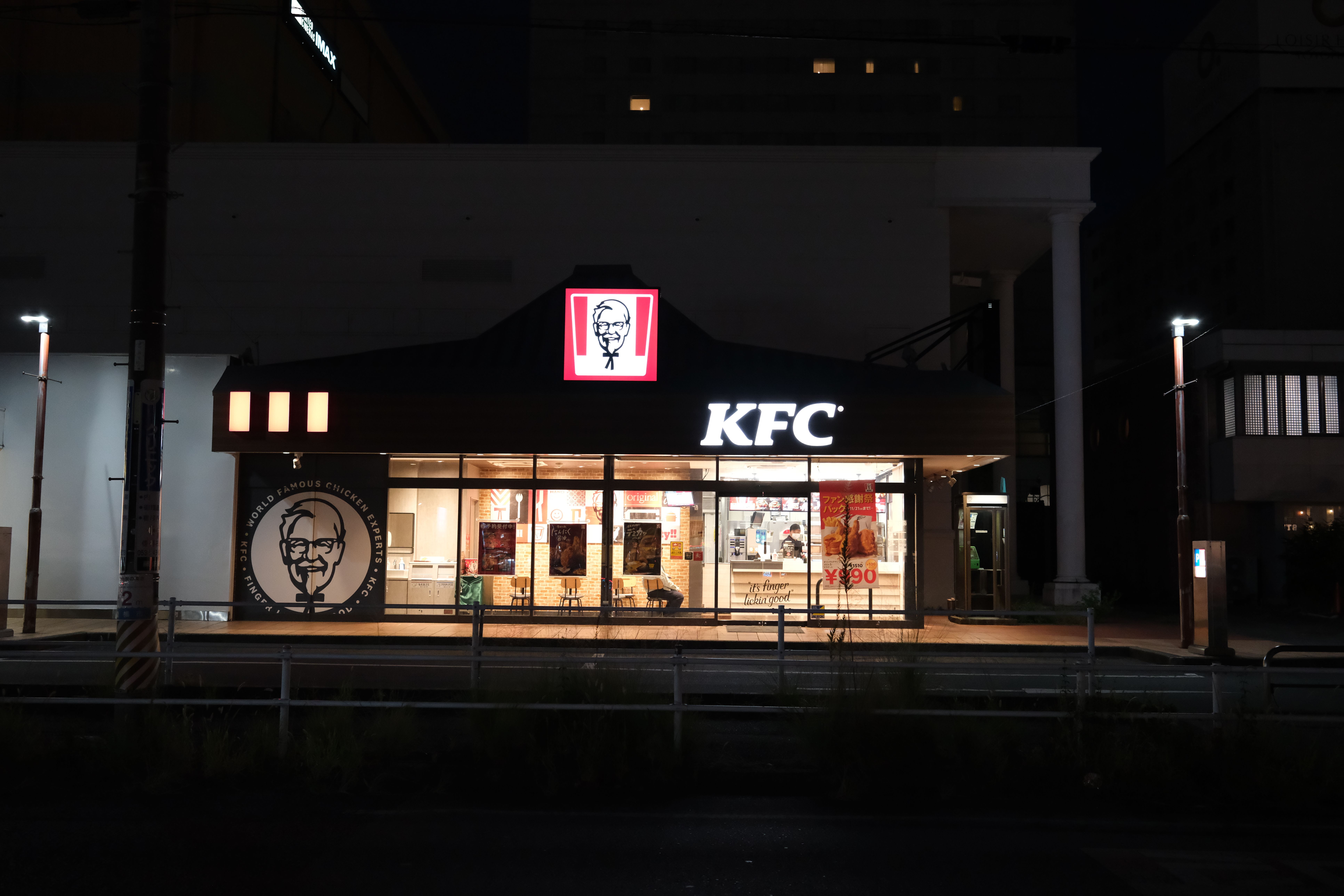
Colonel Sanders Early Life and Background
Harland David Sanders, famously known as Colonel Sanders, entered the world on September 9, 1890, in Henryville, Indiana. His childhood was far from easy. When Sanders was only six years old, his father passed away, and his mother was forced to take on long shifts at a tomato cannery to provide for the family. As the eldest child, Harland took responsibility for caring for his younger siblings, which included cooking meals—a skill that would later change the course of his life.
Formal education was never a big part of Sanders’ life. He left school after the seventh grade, which limited his opportunities. Instead, he entered the workforce at a young age, taking on jobs such as a farmhand, streetcar conductor, railroad fireman, and later even serving in the U.S. Army in Cuba. His career path was inconsistent, and he often struggled to hold onto steady employment.
Despite this, Sanders’ early life gave him invaluable qualities: resilience, independence, and an ability to adapt. While others might have been broken by so many difficulties, he became tougher and more determined to find his place in the world.
Colonel Sanders’ background illustrates how adversity can forge strength. With no wealth, limited schooling, and constant challenges, he laid the foundation for a story that would inspire millions. His upbringing proved that extraordinary success can rise from ordinary beginnings, as long as persistence never dies.
History of Colonel Sanders
The history of Colonel Sanders is a story of relentless determination and late-blooming success. Throughout his life, he experienced more failures than most people would endure in a lifetime. Yet, instead of giving up, he transformed these struggles into stepping stones.
In his younger years, Sanders worked at multiple jobs but was never able to build a lasting career. His ventures included practicing law, selling insurance, and running a ferry boat business, but none provided long-term stability. His turning point came in the 1930s when he opened a service station in Corbin, Kentucky. Alongside gasoline, he served home-cooked meals to travelers. Word spread quickly about the quality of his food, especially his fried chicken.
By 1936, Sanders was awarded the honorary title of “Kentucky Colonel” by Governor Ruby Laffoon for his contribution to the state’s culinary reputation. With this recognition, his personal brand began to form. By 1940, Sanders finalized his legendary recipe of 11 herbs and spices, paired with a pressure-frying technique that made his chicken tender, flavorful, and quicker to prepare than traditional methods.
The true history of Colonel Sanders lies not just in the creation of his recipe, but in his perseverance. In his 60s, when most people retired, he began traveling across the United States, pitching his chicken recipe to restaurant owners. After hundreds of rejections, he finally found success with his franchise model. This turning point cemented his place in history as not only a cook but an entrepreneur who changed the fast-food industry forever.
Early Life and Background
Colonel Sanders’ early life was shaped by poverty, struggle, and an endless pursuit of survival. Growing up in rural Indiana, he faced responsibilities far beyond his years. Cooking meals for his family as a child introduced him to a skill that would later define his career. But at the time, it was purely a matter of survival.
Dropping out of school at an early age meant Sanders had limited career choices. He took on countless jobs—from farm laborer to streetcar conductor and even as a railroad fireman. Each role ended either in dismissal or in disappointment. For a brief time, he practiced law after passing the bar exam, but that career ended abruptly after a courtroom altercation. He also sold insurance, ran a ferry boat, and even tried his hand at operating a lamp-manufacturing business. Yet, none of these ventures brought him lasting stability.
While most people would have been discouraged, Sanders’ difficult background actually gave him the resilience to keep moving forward. He learned never to fear failure and always looked for the next opportunity. Each unsuccessful attempt added another layer to his character and sharpened his ability to adapt.
His early life stands as a reminder that failures are not permanent. Instead, they can serve as stepping stones toward eventual success. Sanders’ difficult childhood and unstable career path prepared him to become an entrepreneur who valued hard work and never gave up on his dreams.
Founding of KFC
The founding of Kentucky Fried Chicken (KFC) began in a small town in Kentucky during the Great Depression. Sanders, then in his 40s, was running a service station in Corbin. To increase business, he cooked meals for travelers in a small dining area. His fried chicken, seasoned with his secret blend of herbs and spices, soon became a favorite among customers.
Sanders realized he had something special. By 1936, his popularity grew so much that the governor of Kentucky awarded him the title of “Colonel.” This recognition gave Sanders both pride and a brand identity. He perfected his recipe in 1940, using 11 herbs and spices that created a distinct flavor no competitor could match. He also pioneered the use of pressure cooking for chicken, which reduced cooking time without sacrificing taste.
When a highway project rerouted traffic away from his restaurant in the 1950s, many would have given up. But Sanders saw an opportunity. Instead of running one restaurant, he decided to license his recipe. Carrying a pressure cooker and seasoning mix in his car, he traveled across the country, pitching his chicken to restaurant owners. His persistence led to the first official KFC franchise opening in Salt Lake City in 1952.
This was the true beginning of KFC as we know it today. Sanders turned a local dish into a scalable business model, laying the foundation for one of the world’s largest fast-food chains.
Evolution of the Brand
The KFC brand evolved rapidly after its humble beginnings. Sanders’ recipe was unique, but it was his personal branding and relentless drive that turned it into a household name. Unlike other fast-food chains, KFC carried the image of a real person behind the food—a white-suited Colonel who symbolized quality and authenticity.
During the 1950s and 1960s, the brand expanded quickly as Sanders traveled across the United States to promote franchises. His presence gave the brand a human touch, while his insistence on quality ensured customer satisfaction. By focusing on consistency in flavor, cooking method, and customer experience, KFC became more than just a restaurant—it became an American icon.
In 1964, Sanders sold the company to investors for $2 million while retaining his role as brand ambassador. Under new management, KFC expanded globally. By the late 1960s and 1970s, KFC had restaurants in Canada, the UK, and later in Asia, making it one of the first American fast-food chains to achieve worldwide reach.
Today, KFC continues to evolve with changing consumer preferences, offering diverse menus while staying true to its original fried chicken. The brand’s ability to adapt without losing its core identity is a key reason for its long-lasting success.
The Untold Story of Colonel Sanders’ Early Years
The untold story of Colonel Sanders’ early years reveals a man who faced rejection at nearly every turn. Before his breakthrough with fried chicken, Sanders endured one failure after another. He worked as a farmhand, blacksmith’s helper, insurance salesman, ferry boat operator, and even tried practicing law. In nearly all cases, he either quit or was fired.
For many, these failures would have signaled the end of ambition. But Sanders saw them as temporary setbacks. He carried lessons from each failure, learning the importance of persistence, adaptability, and risk-taking. Unlike traditional success stories, Sanders’ rise did not follow a straight path but was instead marked by detours and dead ends.
It wasn’t until his 40s that he found a calling in the food industry, and not until his 60s that he achieved real financial success. The hidden truth of his early years is that they were not wasted time—they were years of preparation. Each struggle sharpened his resilience and fueled his determination.
This lesser-known side of Sanders’ story teaches us that even a lifetime of failures can lead to extraordinary success if one continues to try. His untold early years prove that perseverance is the real secret ingredient behind his empire.
How Colonel Sanders Built the KFC Empire from Scratch
Colonel Sanders built the KFC empire from scratch with little more than a recipe, a pressure cooker, and an unbreakable will. After losing his restaurant due to a highway construction project, Sanders refused to accept defeat. Instead, he set out on a journey across the United States, offering his chicken recipe to restaurant owners.
He proposed a simple deal: they could use his recipe and cooking method, and in return, he would receive a small payment for every chicken sold. At first, Sanders faced rejection after rejection—more than 1,000 times. But his persistence eventually paid off when restaurants realized that his chicken was a customer favorite.
By the mid-1950s, KFC had spread through multiple states, and Sanders personally visited outlets to ensure quality and consistency. His dedication impressed franchise owners, while his recipe won over customers. Unlike other business models of the time, Sanders focused on partnerships rather than building restaurants himself. This allowed him to scale rapidly without heavy investments.
His journey demonstrates the power of vision and determination. With no major resources, Sanders built one of the most recognized fast-food chains in the world, proving that true entrepreneurship is about persistence and smart strategy.
Milestones in the History of KFC
The journey of KFC is marked by several significant milestones:
1930s: Sanders begins serving meals at his gas station in Corbin, Kentucky.
1936: Awarded the honorary title of “Kentucky Colonel.”
1940: Perfects his recipe of 11 secret herbs and spices.
1952: Opens the first official franchise in Salt Lake City, Utah.
1955: Starts full-time franchising after losing his restaurant.
1964: Sells KFC for $2 million while retaining his role as brand ambassador.
1966: KFC becomes a publicly traded company.
1970s: Expands into international markets including Asia and Europe.
1980: Colonel Sanders passes away at the age of 90, but his image and recipe continue to thrive.
Today: KFC operates in over 150 countries with more than 25,000 restaurants worldwide.
These milestones highlight KFC’s journey from a small-town eatery to a global fast-food giant, showing how one man’s vision transformed the dining industry forever.
The Life and Legacy of Colonel Sanders
Colonel Sanders lived a life full of struggle, perseverance, and ultimate triumph. Though he sold KFC in the 1960s, he never retired from promoting his brand. Dressed in his signature white suit and black bow tie, he traveled the world as the face of KFC, ensuring the brand’s image stayed strong.
His legacy extends far beyond fried chicken. Sanders became a symbol of resilience, proving that age is not a limitation to success. His late-life breakthrough inspired countless entrepreneurs who might otherwise have believed it was too late to pursue their dreams.
Even after his passing in 1980, his legacy remains alive. KFC continues to use his likeness in its branding, and his story is often retold as one of the greatest examples of determination in business history. His life shows that real success is not just about wealth but about leaving a mark that inspires generations.
From Humble Beginnings to Fast Food Icon
Colonel Sanders’ transformation from a poor farm boy in Indiana to a global fast-food icon is one of the most extraordinary entrepreneurial journeys of the 20th century. Starting from nothing, he endured endless failures, faced rejection after rejection, and yet never gave up.
His breakthrough came when most people would have been thinking about retirement. Instead, Sanders used his 60s to launch the greatest chapter of his life. With a single recipe and an unstoppable spirit, he built a global empire that continues to grow decades after his death.
From humble beginnings, Sanders became a face recognized worldwide. His journey is more than a business success story—it is a lesson in persistence, faith, and resilience. Today, millions of people enjoy KFC meals without realizing that behind every bite lies the story of a man who refused to quit.
Conclusion
The real success story of Colonel Sanders is not just about fried chicken—it is about persistence, adaptability, and the courage to start over. From a boy who lost his father young, to a man who faced countless failures, to finally becoming a global icon in his 60s, Sanders’ journey proves that success comes to those who never stop trying. His legacy continues to inspire entrepreneurs around the world, making him not only the founder of KFC but a timeless symbol of determination.